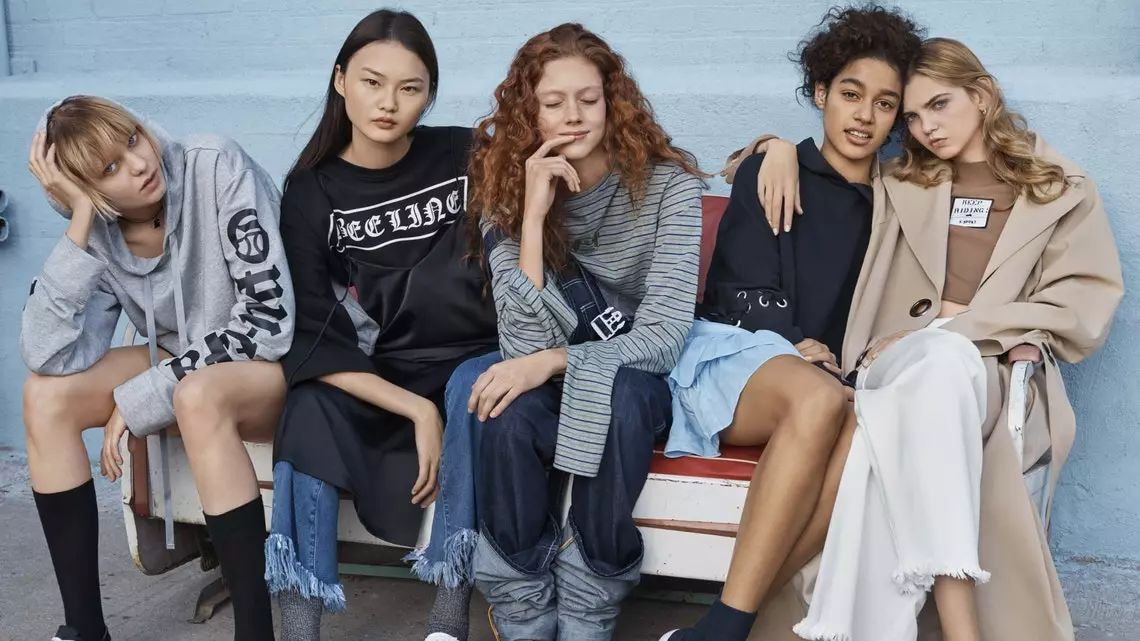
As global fashion enters a new cycle of rapid reinvention, “2026 is shaping up to be one of the most dynamic years for seasonal apparel procurement”. Driven by shifts in consumer behavior, the rise of mobile-first shopping habits, the expansion of sustainable fashion, and increasingly agile supply chains, buyers are under greater pressure than ever to select products that sell fast, avoid inventory risks, and meet evolving compliance expectations. For procurement teams, importers, wholesalers, and global retailers, identifying “best-selling seasonal apparel”requires a practical understanding of emerging data-backed trends—rather than relying solely on traditional forecasting.
This article explores the “2026 global fashion trends”that matter most, and provides an actionable guide for buyers on how to choose high-potential seasonal products. The insights are aligned with real 2024–2025 market indicators—such as the nearly USD “7.95 trillion”global fashion market in 2024 and its projected growth to “USD 8.67 trillion”in 2025—showing strong momentum as we head into 2026. Additionally, the rapid evolution of e-commerce, sustainability, and fast-response manufacturing are reshaping what “best-selling” means in the fashion industry.
Fast Fashion Acceleration Will Reshape Seasonal Buying
One of the most significant global shifts is the continued acceleration of “fast fashion”. Research shows that “over 52% of brands now release new collections every two weeks”, and “58% of consumers”make purchase decisions based on online trends—creating shorter micro-seasons. For buyers, this means:
- Lower risk with “small-batch seasonal orders”
- Increasing demand for “quick replenishment cycles”
- A shift from “four seasons” to “10–15 micro-season drops per year”
In 2026, highly adaptable categories such as “lightweight outerwear, athleisure, fast-moving dresses, and multifunctional basic layers”will remain key profit drivers. These products transition easily between spring, fall, and pre-holiday seasons, making them ideal for buyers seeking consistent turnover.
The Rise of Sustainable Seasonal Apparel
The sustainable fashion market—valued at “USD 3.6 billion in 2024 and growing at 10.3% CAGR”—is no longer niche. In 2026, sustainability becomes a mainstream purchasing expectation. This shift affects seasonal apparel selections in several important ways:
✔ Higher sell-through rates for eco-materials
Products made from “recycled polyester, organic cotton, bamboo fibers, and upcycled textiles”are trending across all seasons.
✔ Certifications will influence consumer trust
Expect stronger demand for garments labeled with:
- OEKO-TEX
- GRS
- Organic Content Standard
- Low-impact dyeing seals
✔ Eco-basics will dominate seasonal sales
Especially: “sustainable T-shirts, hoodies, outerwear, swimwear, and sportswear”.
For buyers targeting competitive markets like the EU, UK, and US, choosing compliant, environmentally friendly seasonal apparel is also essential for avoiding legal and online-platform risks.
Mobile-First Shopping Will Increase Demand for Photo-Friendly, Trend-Reactive Designs
Since “64% of global fashion purchases occur through online or mobile channels”, 2026 seasonal fashion will increasingly be driven by visual-first consumer behavior. This means:
- Trending TikTok/Instagram aesthetics will define seasonal must-haves
- Products with **bold colors, clean silhouettes, and strong photo presence** will outperform
- Buyers should track influencers, viral microtrends, and keyword search spikes weekly
In seasonal apparel, the best-performing 2026 categories will likely include:
- “Statement outerwear”(color blocking, oversized silhouettes)
- “Festival & vacation wear”
- “Activewear sets”designed for photo posts
- “Matching winter accessories”(caps, scarves, gloves)
Procurement strategies will need to prioritize factories capable of “quick sampling, rapid design adaptation, and frequent SKU refreshes”, ensuring constant market relevance.
Global Supply Chain Shifts Will Influence Seasonal Product Choices
The post-pandemic supply chain has stabilized, but buyers entering 2026 must adapt to several important trends:
1. Multi-country sourcing for speed and price control
Vietnam, China, Cambodia, and Indonesia continue to lead seasonal apparel manufacturing, offering competitive pricing and fast delivery.
2. Quality stability will matter more than ever
Brands and online sellers want to avoid returns and compliance issues. Vendors with consistent materials, standardized sizing, and strong quality control will dominate seasonal apparel demand.
3. Demand for free samples & fast quotations
Buyers increasingly expect “samples within 7 days”and quotations within 24 hours—key for capturing fast-moving seasonal market opportunities.
This is where a global sourcing company like “Market Union”becomes a strong strategic partner. With more than 80 business divisions, dual headquarters in Ningbo and Yiwu, and factories across China, Vietnam, and Cambodia, the company provides “fast seasonal sampling, stable supply chains, patent checking, and comprehensive EU/UK/US product compliance support.”
Key Categories Buyers Should Focus on in 2026
Drawing from 2024–2025 performance data, the following categories will be top performers in 2026 seasonal procurement:
Spring / Summer 2026
- Lightweight shirts & linen tops
- Swimwear & beach cover-ups
- Breathable athleisure
- Outdoor functional wear
- Trend-driven dresses
Fall / Winter 2026
- Insulated jackets & puffer vests
- Fleece sets & winter athleisure
- Knitwear (oversized cardigans, ribbed tops)
- Tech fabric outerwear
- Winter accessories (photo-friendly sets)
These categories have strong consumer demand, high e-commerce turnover, and flexible price ranges—making them ideal for wholesalers, retailers, and online sellers.
Conclusion: Winning the 2026 Seasonal Apparel Market
As the fashion industry evolves toward “faster cycles, sustainable materials, and digital-first consumption”, buyers must rethink how they evaluate seasonal apparel. The most successful procurement strategies in 2026 will be those that combine:
- Data-driven product selection
- Fast replenishment and agile manufacturing
- Eco-friendly materials
- Compliance-ready designs
- Visual-first product development
With its global supply chain, strong compliance expertise, rapid sampling capability, and multi-category support, “Market Union”is positioned to help buyers secure high-potential seasonal apparel across all major markets. By aligning procurement decisions with the core 2026 fashion trends outlined above, companies can significantly increase sell-through rates and minimize seasonal risks—empowering them to stay competitive in a fast-changing global marketplace.


 Women Activewear
 Men Activewear
 Men Outdoor Apparel
 Women Outdoor Apparel
 Team Sports
 Sports Shaper & Sports Safety
 Camping & Hiking
 Boxing Fighting & Dance Gymnastics
 Game Room & Backyard
 Swimming & Beach
 Sports & Outdoor Accessories
 Cycling
 Winter Sports
 Racquet Sports
 Water Sports
 Hunting
 Fitness
 Fishing